Donald Trump and Cryptocurrency: A Complex Evolution
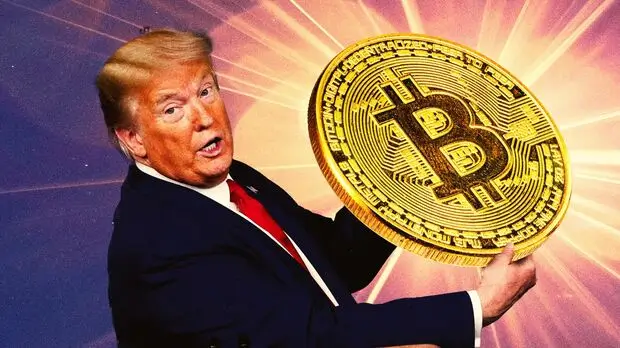
Donald Trump’s relationship with cryptocurrency has undergone significant transformations, reflecting a blend of skepticism, opportunism, and political strategy. This article delves into his journey from a crypto critic to an active participant in the digital asset space, examining the implications of his actions and policies.
Early Skepticism Towards Cryptocurrency
In July 2019, then-President Donald Trump publicly criticized cryptocurrencies, stating:
“I am not a fan of Bitcoin and other cryptocurrencies, which are not money, and whose value is highly volatile and based on thin air.” (Cointelegraph)
He expressed concerns about their potential use in illegal activities, such as drug trafficking and money laundering. His administration, including Treasury Secretary Steven Mnuchin, echoed these apprehensions, emphasizing the need for stringent regulations to prevent illicit uses of digital assets.
Embracing NFTs: A Strategic Pivot
Despite his earlier criticisms, Trump ventured into the crypto space by launching a series of Non-Fungible Tokens (NFTs). In December 2022, he introduced the “Trump Digital Trading Cards,” a collection of 45,000 NFTs minted on the Polygon blockchain, each priced at $99. These digital cards depicted Trump in various fantastical roles, including a superhero and an astronaut. The collection sold out rapidly, indicating a strong market interest. ( IQ.wiki )
Subsequent releases followed, including a second series in April 2023 with 47,000 digital artworks and a “Mugshot Edition” in January 2024. These NFTs not only served as collectibles but also offered perks like dinners and meet-and-greets with Trump, blending political engagement with digital asset promotion. ( CCN.com , Investopedia )
Political Implications: CBDC Opposition
Trump’s stance on Central Bank Digital Currencies (CBDCs) has been notably adversarial. In January 2024, he signed an executive order banning the creation and issuance of a U.S. CBDC, labeling it a “dangerous threat to freedom.” He argued that such a currency could grant the federal government excessive control over individuals’ finances. ( CCN.com )
This position aligns with the views of his Treasury Secretary nominee, Scott Bessent, who also opposes the development of a digital dollar, suggesting it would convey “weakness.” ( Decrypt )
Contrasting Approaches: Trump vs. Biden
President Joe Biden’s administration has taken a more exploratory approach to digital assets. In March 2022, Biden signed an executive order directing federal agencies to study the risks and benefits of cryptocurrencies and to develop a coordinated regulatory framework. ( Bankrate )
The order emphasizes consumer protection, financial stability, and the potential for innovation, including the exploration of a U.S. CBDC. ( World Economic Forum )
In contrast, Trump’s outright ban on CBDC development and his active promotion of specific crypto assets reflect a more interventionist and politically charged approach to the digital currency landscape.
Politically-Branded Tokens and Ethical Concerns
Trump’s involvement in the crypto space extends beyond NFTs. He has been associated with politically-themed tokens like the $TRUMP meme coin and ventures like World Liberty Financial, where he serves as “Chief Crypto Advocate.” These initiatives have raised ethical and legal concerns, particularly regarding foreign investments and potential influence-peddling. ( The New Yorker )
Critics argue that such ventures blur the lines between political influence and financial gain, potentially undermining regulatory standards and public trust.
Conclusion
Donald Trump’s journey in the cryptocurrency realm illustrates a complex interplay of skepticism, opportunism, and political maneuvering. From denouncing Bitcoin to launching successful NFT collections and opposing CBDCs, his actions have significantly influenced the discourse around digital assets.
As the crypto landscape continues to evolve, Trump’s policies and ventures will likely remain a focal point of discussion, reflecting broader debates about regulation, innovation, and the role of political figures in emerging financial technologies.
Reference: